
Making Hummus- Harmony Week
20th March 2026
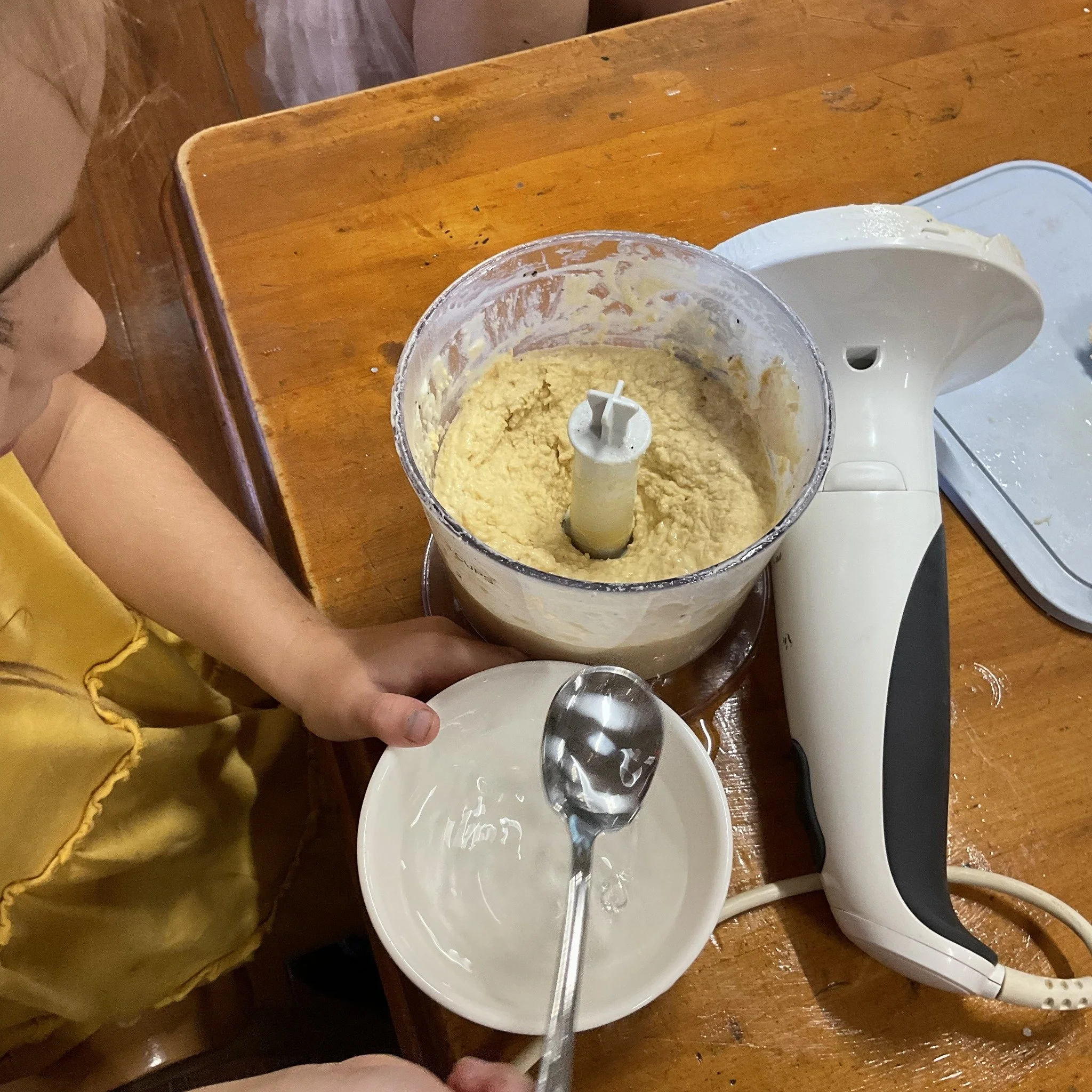
Today, as part of our Harmony Week celebrations, the children engaged in a hands-on cooking experience, making hummus together. During afternoon group time, I introduced the experience by explaining that hummus originally comes from the Middle East.
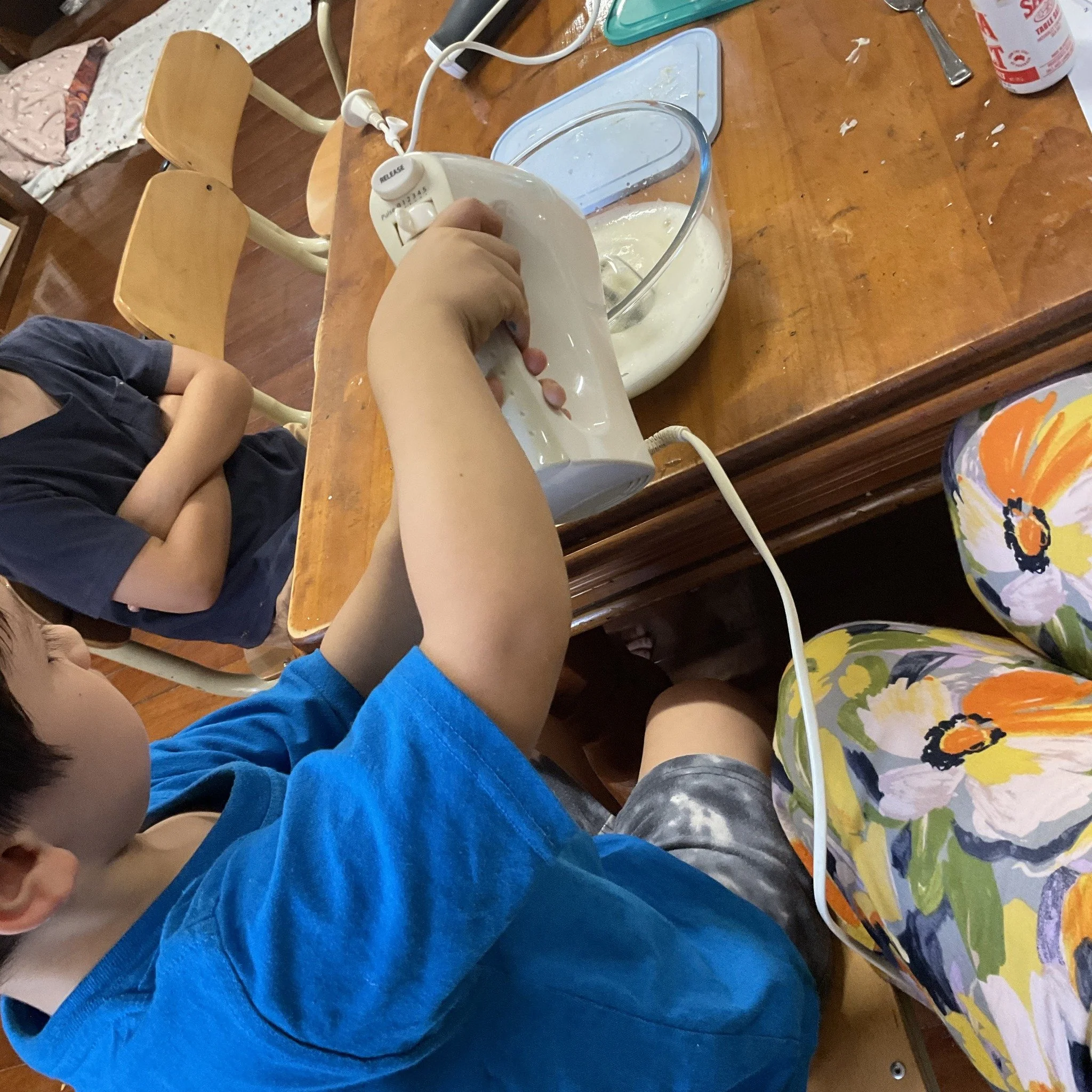
We explored this idea further by looking at countries in the Middle East on Google Maps, supporting the children to make connections between food, culture, and place. Later in the day, a small group of children, Chloe, Norah, Stella, Elodie, Lenny, Riley, Thomas, Viggo, and Ren came together to make the hummus. The children began by exploring the ingredients, touching, smelling, and discussing what they noticed before listening to the Instructions. This sensory exploration supported their curiosity and inquiry skills.
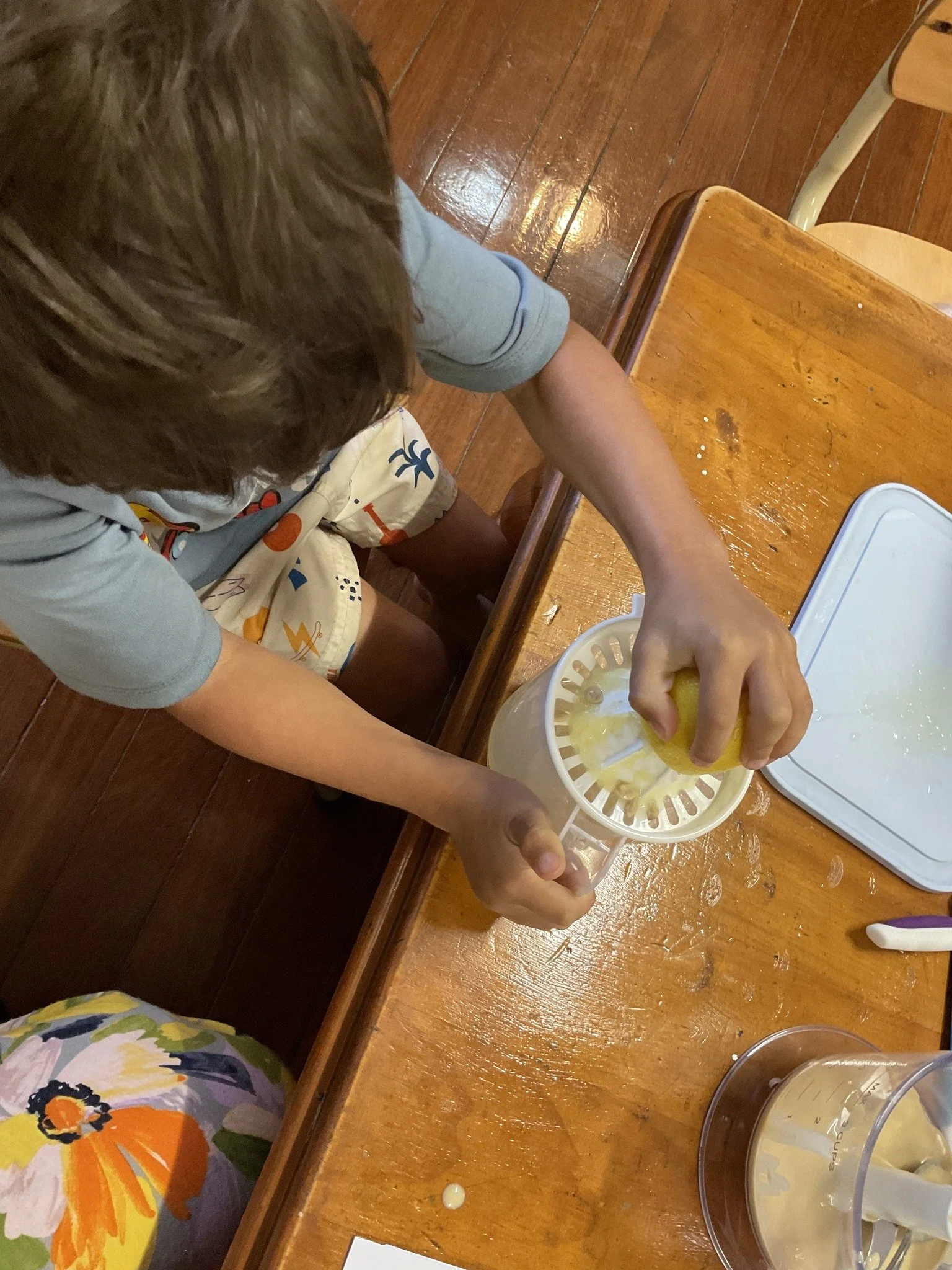
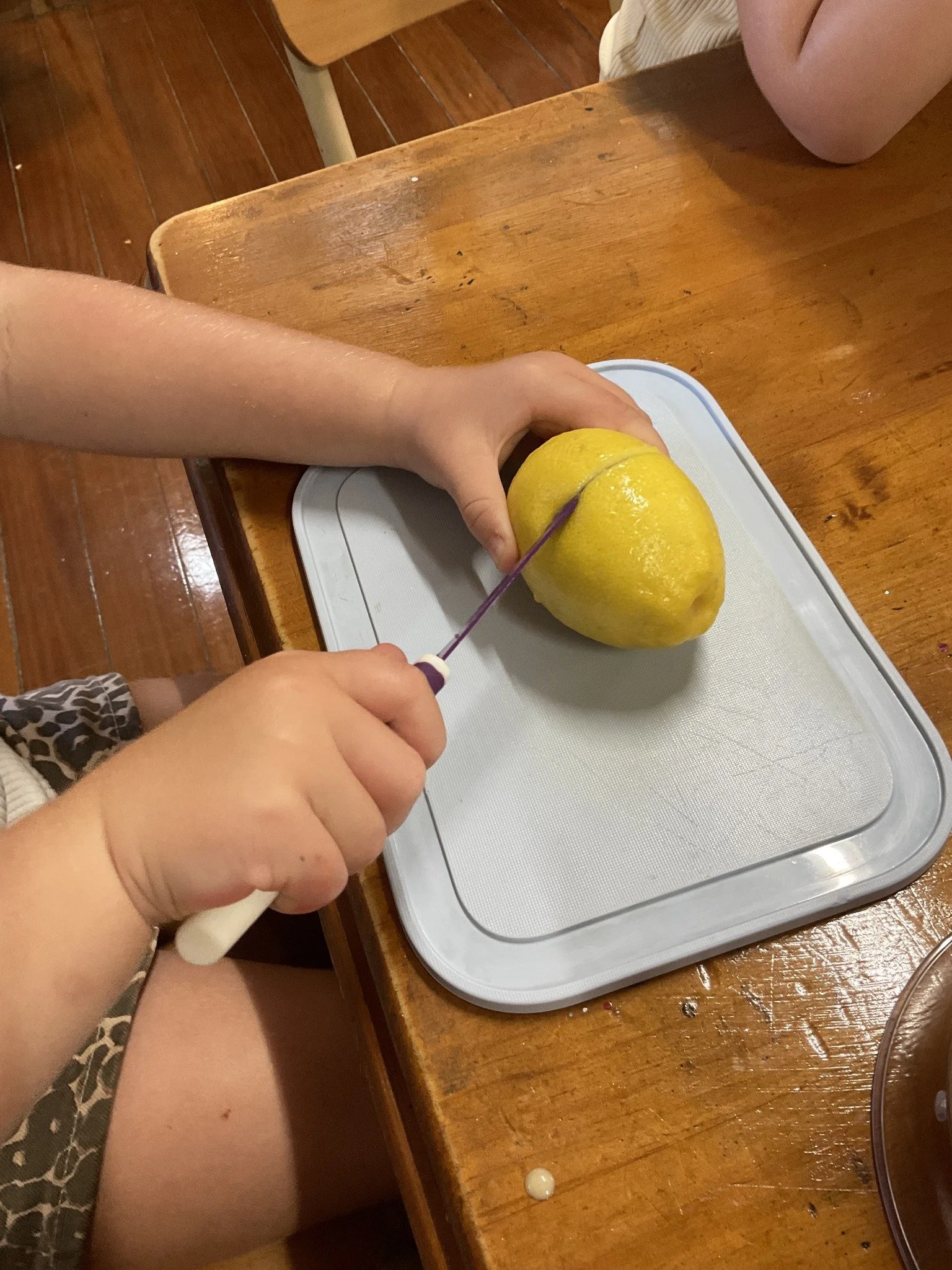
Each child took turns measuring and adding ingredients into the blender, demonstrating patience and cooperation as they waited for their turn. They squeezed lemons and cut garlic, developing fine motor skills and confidence when using tools in a supported environment. Measuring ingredients introduced early mathematical concepts such as quantity, counting, and estimation. The most exciting moment was turning on the blender. The children watched closely as the ingredients combined, noticing the changes in texture and consistency, and reacting to the loud sound with excitement and curiosity. This hands-on experience supported their understanding of cause and effect, transformation, and basic scientific processes.
The hummus was later offered at afternoon tea, where many children chose to try the dip. This created a shared social experience, encouraging children to explore new foods and engage with a cultural dish from the Middle East. It also fostered a sense of belonging and connection as children participated in a shared group activity. Through this experience, the children engaged in rich, meaningful learning across multiple domains. They developed confidence and a sense of identity as capable learners, worked collaboratively with peers, and explored diversity through food. The experience also supported hands-on learning, early scientific thinking, and mathematical understanding in a meaningful and engaging context.